September Skydiving: 5 Unforgettable Reasons to Be Brave
September Skydiving. Most Indian first-timers wait for October.
They mark October in the calendar. They tell themselves October is when the skydiving season begins. When the skies clear. October. Definitely October.
And then September passes. Another September in which the skydiving experience was researched, discussed, partially planned, and ultimately deferred to the month that everyone agrees is the right one.
Here is what those Septembers were missing.
It is the month the skydiving season begins at Skyhigh India‘s certified Narnaul drop zone in Haryana. And in 2026, September skydiving at Narnaul is not just operationally viable. It is, in six specific, unforgettable, and honestly surprising dimensions, the most compelling month in the entire skydiving calendar for the Indian first-timer who is ready to stop waiting and start brave.
1. September Skydiving Catches the Narnaul Landscape at Its Most Alive
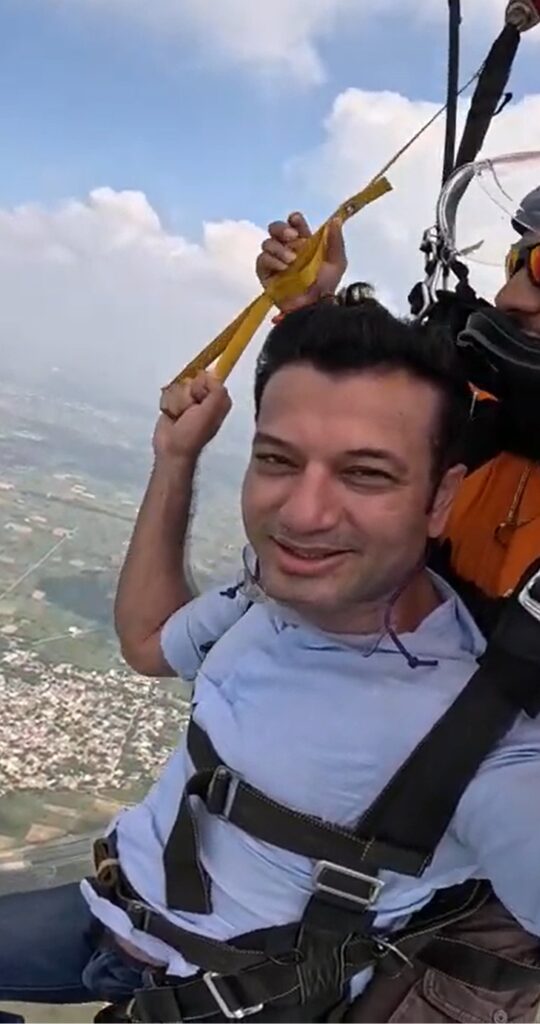
The first unforgettable reason to be brave in September surprises Indian first-timers at Skyhigh’s Narnaul drop zone, who expect a muted post-monsoon landscape.
What they find is the opposite.
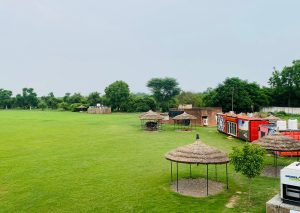
September is the month when the Haryana landscape is at peak green saturation. Three months of monsoon rainfall have added rich agricultural and natural color, which the dry season gradually bleaches away. The fields are vivid. The vegetation is dense. The intense green in north India after the monsoon attracts landscape photographers, best seen from 10,000 feet.
The Aravalli foothills visible from Narnaul’s skydiving altitude undergo a post-monsoon transformation. In September, the ancient ridgeline, once muted browns and ochres, vibrantly comes alive with green from seasonal rainfall.
The first reason to be brave in September is the vibrant beauty of the Haryana plains seen from a skydiving freefall, which is unmatched in winter’s clarity.
2. September Skydiving Is India's Peak Season for Courage
September’s significance in the Indian professional and personal calendar makes it an unforgettable reason to be brave.
September is when courage matters most.
The Indian professional year has a specific rhythm. The January to March period carries the energy of the new year resolutions, fresh starts, Q1 momentum. April to June sustains the professional forward motion of the first half. July and August the monsoon months are the year’s natural pause. And then September arrives.
September is the hinge. The point at which the year’s back half begins. Q4 opens. Annual targets crystallise from aspirational to urgent. Deferred summer conversations, professional risks, creative commitments, and personal decisions accumulate weight as the year’s end approaches.
This is when the Indian professional needs courage most. And it is precisely when they are least likely to have done something that specifically and measurably increases it.
Moreover, September skydiving courage is not shared with the crowd. The Indian adventure community that descends on Narnaul in October, November, and December is large and enthusiastic. The September first-timer who jumps before that crowd is not competing for booking slots, instructor attention, or landing field space. They are doing the brave thing at the beginning which has always been the most genuinely courageous version of any brave thing.
3. September Skydiving at Narnaul Is Operationally Ready and Waiting

The third reason to brave September is to tackle the common hesitation about skydiving at Skyhigh India’s Narnaul drop zone.
Is September really operational? Is the weather reliable enough?
The honest, specific, operationally grounded answer is yes. September skydiving at Narnaul is operational. For a certified operator like Skyhigh India, “operational” is more precise than a seasonal claim.
By late September, the monsoon has largely retreated from Skyhigh’s Narnaul drop zone. The heavy, continuous rainfall of July and August gives way to intermittent weather systems with progressively expanding clear windows. These clear windows, which increase in September due to the monsoon recession, are when Skyhigh’s skydiving operations occur.
Additionally, the September weather monitoring at Skyhigh’s Narnaul drop zone involves longer forecast lead times than peak season. The Narnaul team tracks September jump bookings to guide skydivers on the best weather windows before their drive from Delhi.
The third reason to be brave in September is that Skyhigh India’s Narnaul drop zone is fully operational, adhering to certified safety standards. September Skydiving offers an extraordinary experience without compromising quality.
4. September Offers the Most Personal Skydiving Experience of the Year
The fourth reason to be brave in September is that lower demand shapes the unique Skyhigh Narnaul first-timer experience.
Personal attention.
In October, November, and December at Skyhigh’s Narnaul drop zone, the jump days are full. The booking calendar is dense. The ground training sessions accommodate larger groups. The instructor team’s attention is distributed across more participants per day. The post-jump debrief is briefer. The conversation at the landing field is warmer but quicker.
This is not a criticism of peak season. High demand for skydiving in Narnaul from October to February stems from years of Skyhigh India’s world-class reputation. The peak season is full because it is excellent.
Fullness has a cost: it diminishes the focused quality of the skydiving experience that fewer participants provide. September skydiving at Skyhigh’s Narnaul drop zone is unmatched.
The first-timers at Narnaul on September jump day intentionally chose to jump in the shoulder season instead of waiting for the consensus window. This shared intentionality fosters a unique connection at the Narnaul drop zone in September, unlike the thinner distribution in peak-season crowds.
5. September Skydiving Booking Availability Is the Best of the Year
The fifth key reason to be brave in September is its practical benefit for Indian first-timers facing complex peak season bookings from September to February.
In September, the booking calendar at Skyhigh India’s Narnaul drop zone is wide open.
The October to February peak season at Narnaul represents the highest demand period of the skydiving year.

The fifth reason to be brave in September is that Skyhigh’s Narnaul drop zone has the most generous booking availability, allowing first-timers to secure their preferred jump dates without the pressures of peak season.
FAQ
From what altitude will I jump, and how long is the freefall?
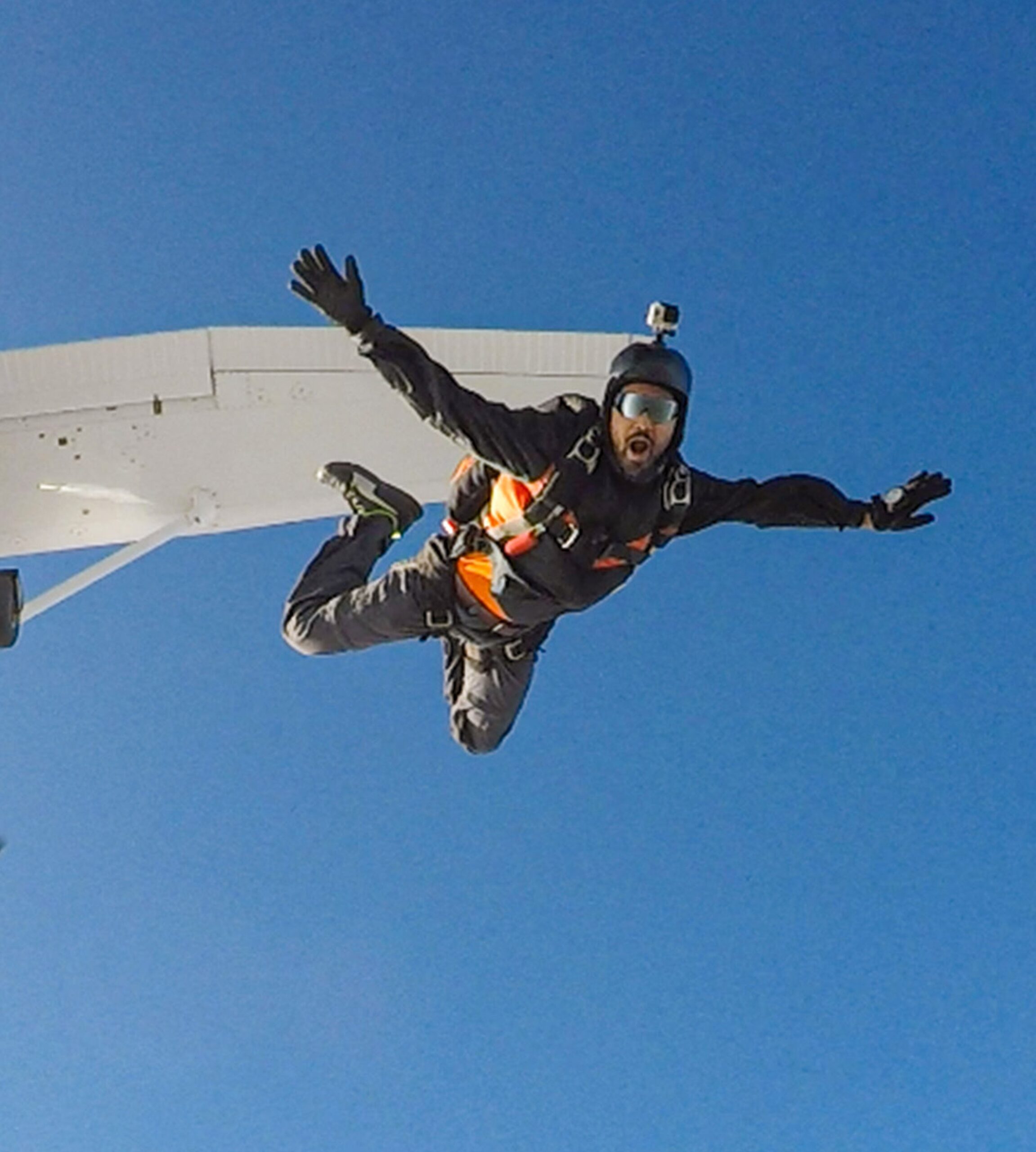
Jumps typically take place from an altitude of around 10,000 feet. You will experience an adrenaline-pumping freefall lasting approximately 30 to 40 seconds at speeds of up to 220 km/h, followed by a serene 5 to 7-minute canopy glide once the parachute opens.
What should I wear on the day of the jump?
Wear comfortable, athletic clothing (like t-shirts, track pants, or leggings) and sturdy, lace-up running shoes or sneakers. Avoid loose jewelry, skirts, boots with heels, or shoes with open hooks.
Is skydiving at Narnaul safe?
Safety is the top priority at Narnaul. The dropzone utilizes state-of-the-art, USPA-approved equipment, including dual-parachute systems equipped with an Automatic Activation Device (AAD), which automatically deploys the reserve parachute in case of an emergency.
What are the age and weight restrictions?
Age: The minimum age requirement is 18 years. (Minors aged 16–17 may be permitted with written parental/guardian consent with parents present there).
Weight: The standard maximum weight limit is usually 90–95 kg, depending on physical fitness and harness fit. Additional weight charges or restrictions may apply for individuals close to the limit to ensure a safe instructor-to-student ratio.
More of us